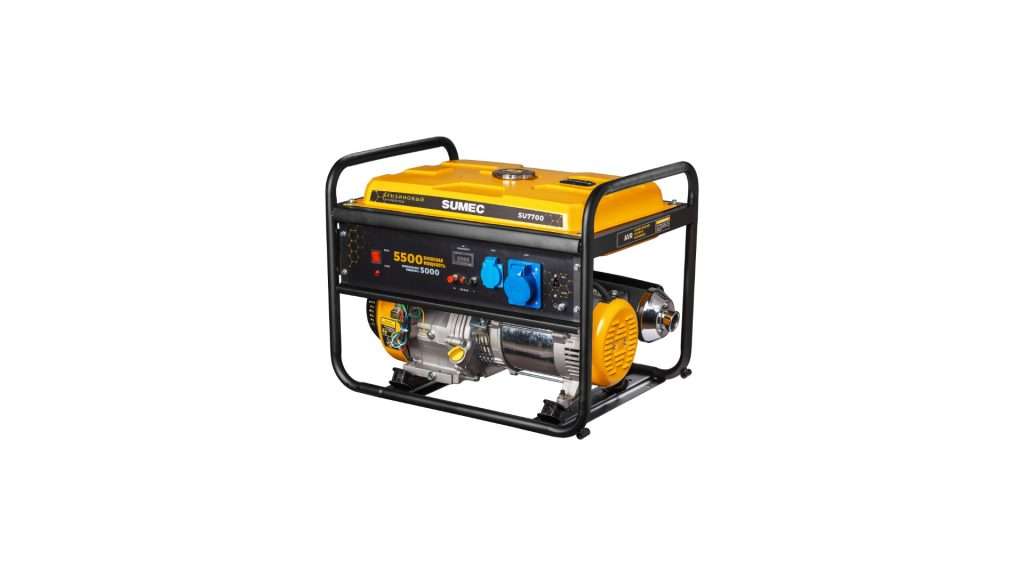
Generators
The ALS patient is dependent on numerous pieces of medical equipment (oxygen generators, suction equipment, ventilators, cough assists, nebulizers, dialysis equipment, refrigerators for meds and

The ALS patient is dependent on numerous pieces of medical equipment (oxygen generators, suction equipment, ventilators, cough assists, nebulizers, dialysis equipment, refrigerators for meds and
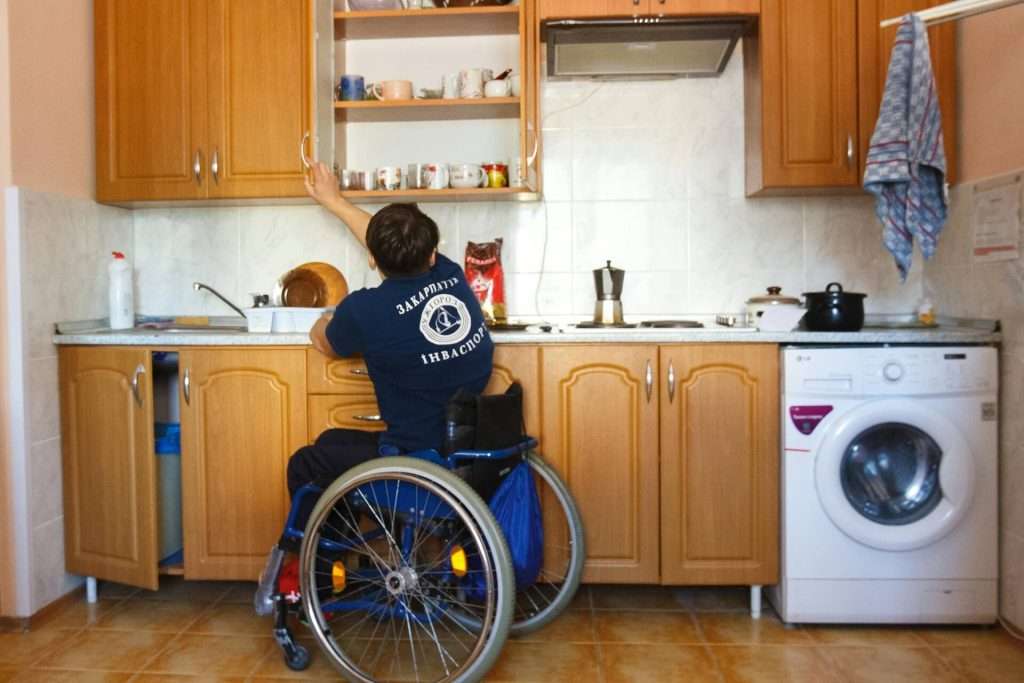
Discover how a thoughtfully designed home addition enhances ALS care, featuring practical modifications like a vertical platform lift for improved accessibility.

Discover effective oral care strategies and assistive tools tailored for ALS patients to maintain hygiene, comfort, and overall health.
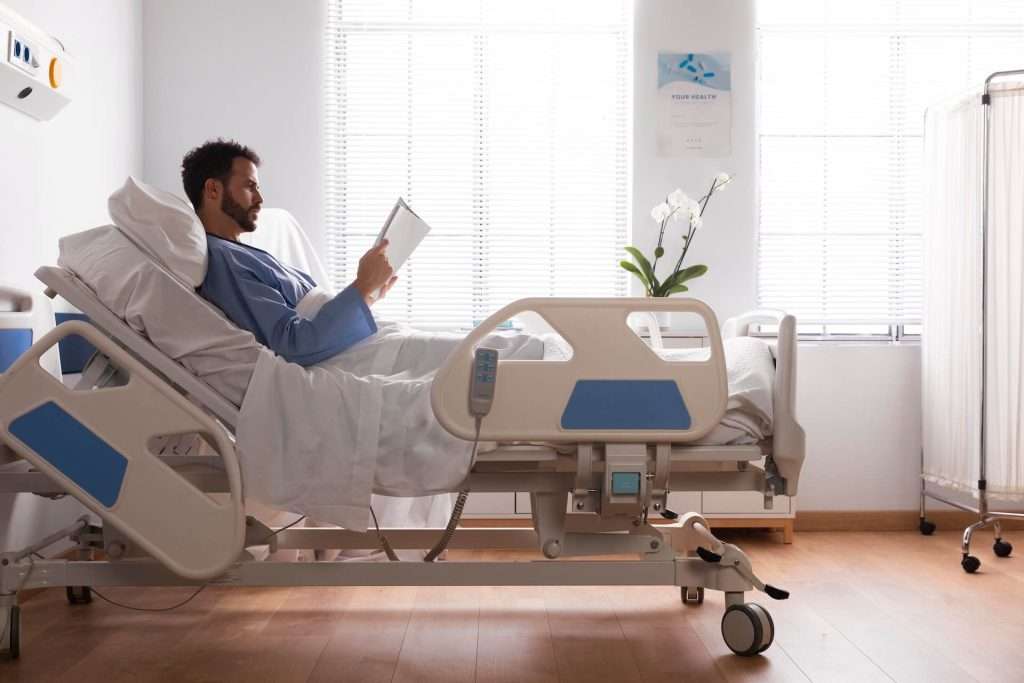
Explore beds and sleeping solutions for ALS patients, including adjustable beds, mattresses, and positioning aids to improve comfort and rest quality.
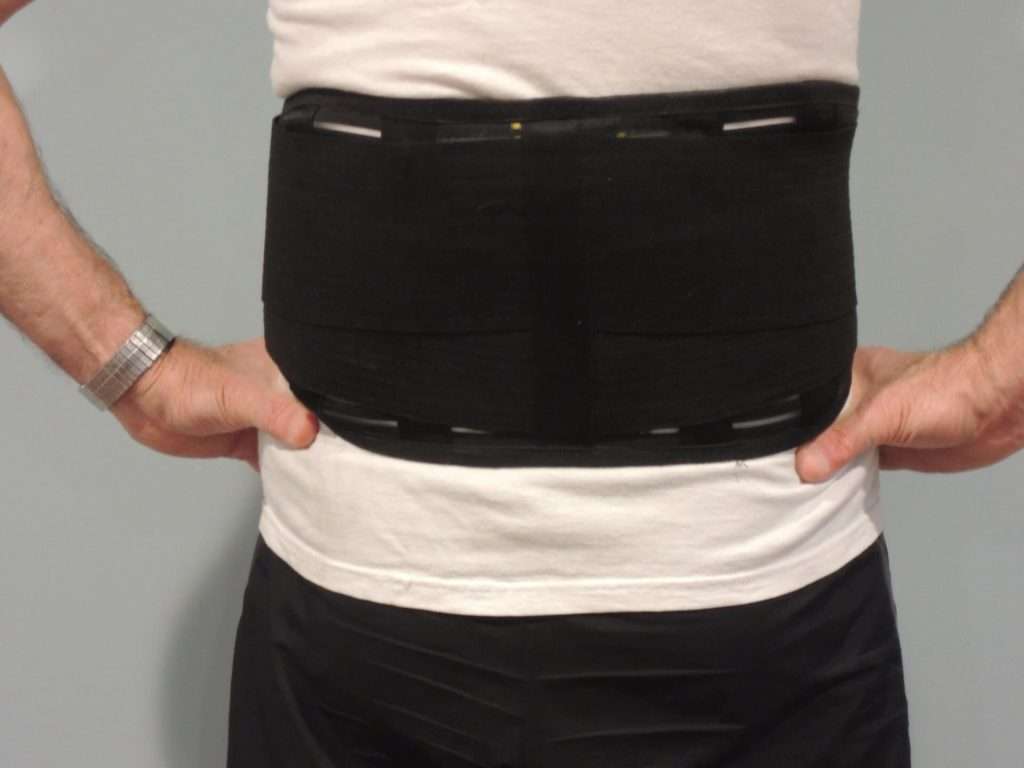
Discover back braces designed for ALS patients to improve posture, provide support, and enhance comfort for better daily mobility and well-being.
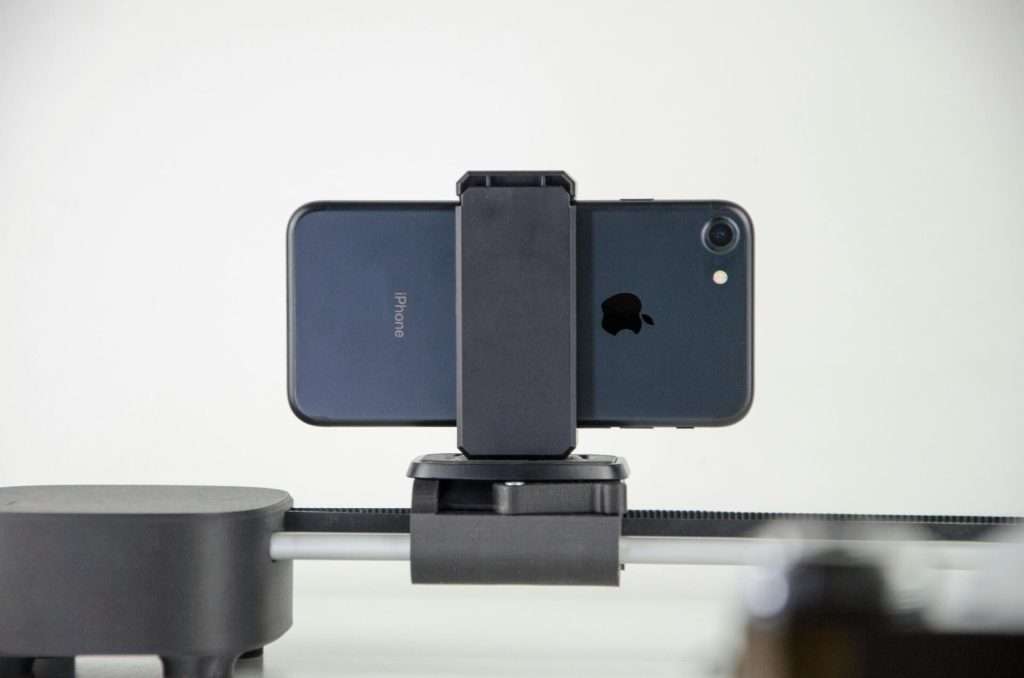
Explore communication devices and mounts designed for ALS patients, enabling effective interaction and enhancing quality of life through assistive technology.

Learn about call buttons and switches for ALS patients, enabling effective communication and enhanced safety through accessible assistive technology.

Explore motion and assistive devices for ALS patients, offering support for mobility, independence, and improved quality of life in daily routines.

Discover adaptive devices designed to support hand, wrist, and arm mobility in ALS patients, enhancing daily activities and improving quality of life.
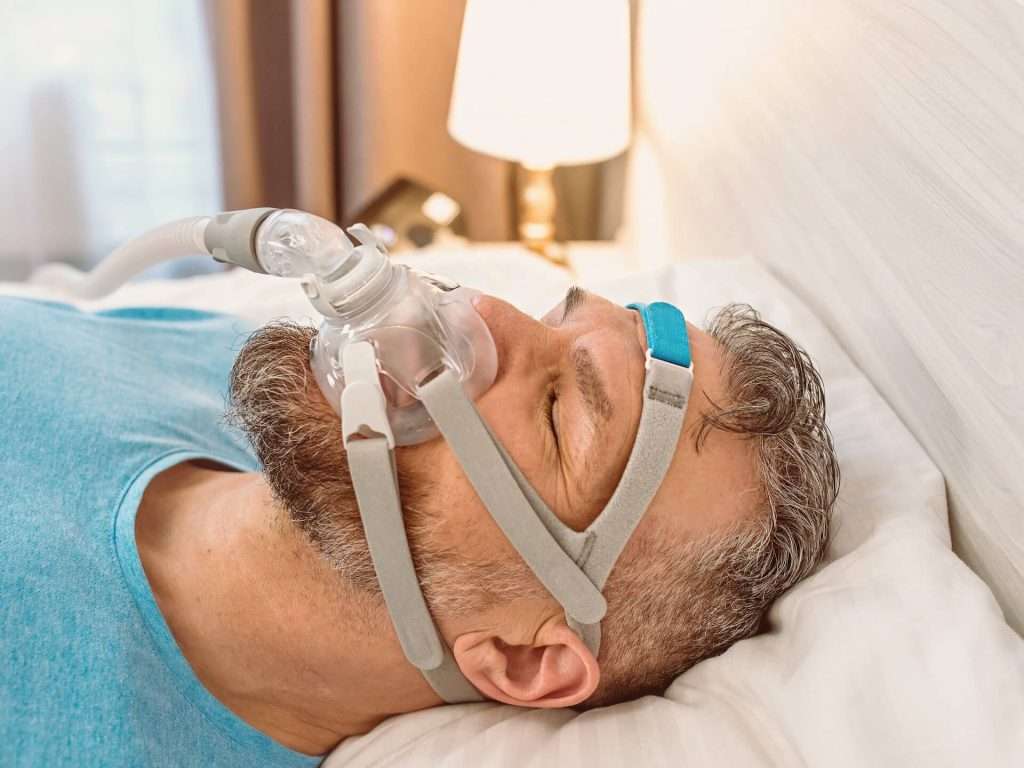
Explore essential breathing equipment for ALS patients, including non-invasive ventilation and respiratory aids, to enhance comfort and quality of life.

Managing oral secretions in ALS is crucial for comfort and safety. Explore effective equipment options to enhance quality of life.
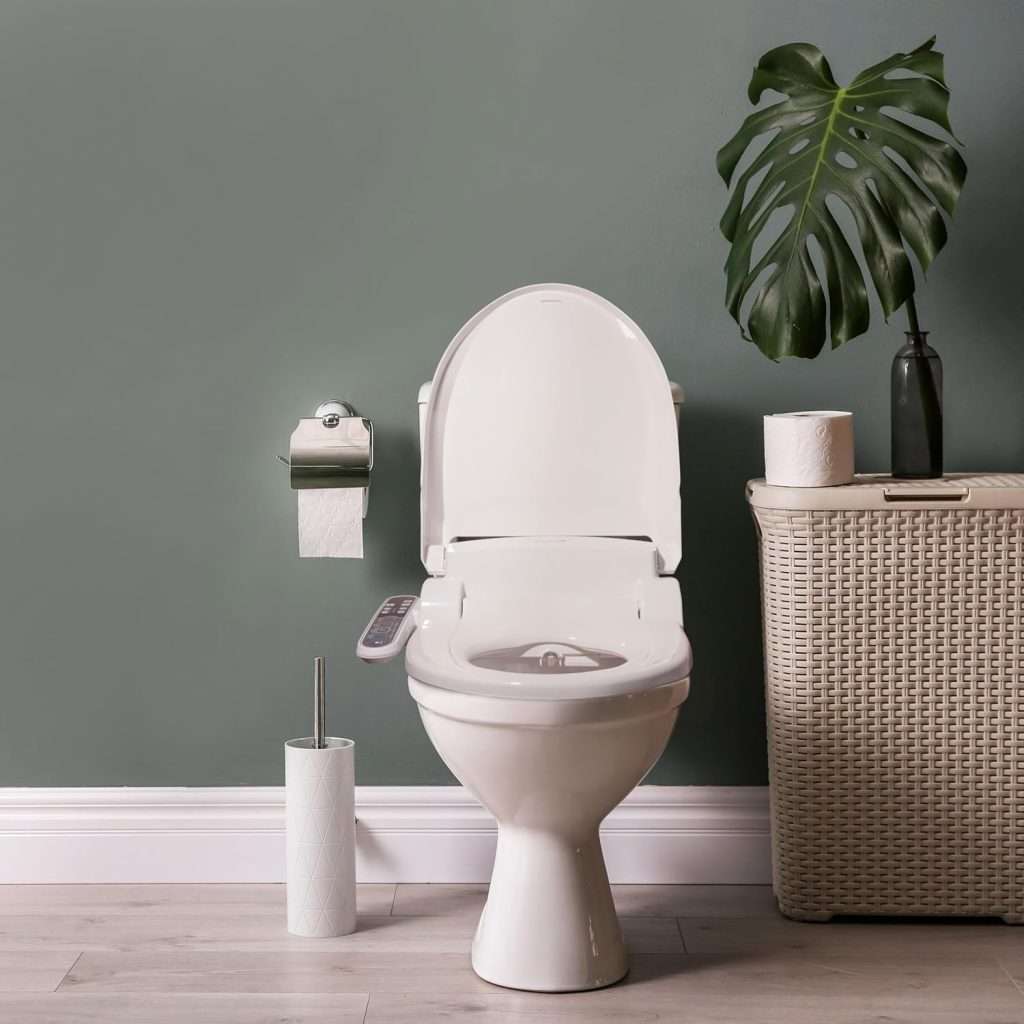
Discover how bidets and washlets enhance accessibility and hygiene for ALS patients, improving daily bathroom routines.
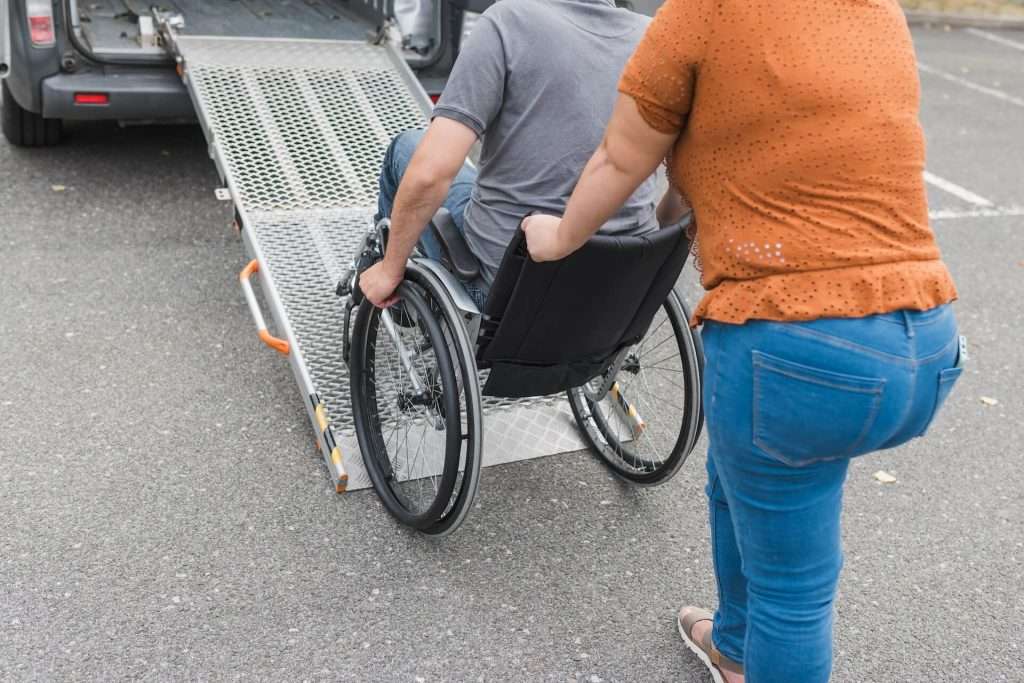
Helpful insights for ALS caregivers on accessible travel, parking solutions, and overcoming transportation challenges.

Our son was diagnosed with ALS in January 2018, and by the fall of that year, he couldn’t eat, drink, or take medicines by mouth. We didn’t know he was starving and malnourished. He needed a feeding tube ASAP.
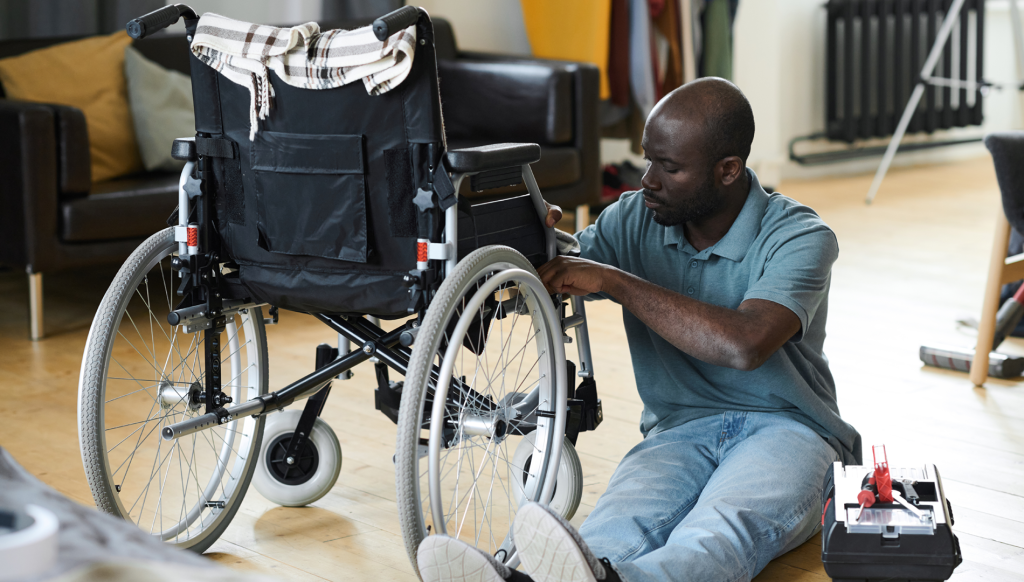
When our son moved to a push wheelchair and then to a power chair, we quickly discovered that getting repairs wouldn’t be easy, and not just because of the complicated design of the chairs.

ALS sufferers bite their lips, tongues, and cheeks all the time. Our son was constantly doing this. Most of the biting was caused by violent yawning.

We kept all our son’s medications in a box on a rolling cart and developed a system for tracking them.
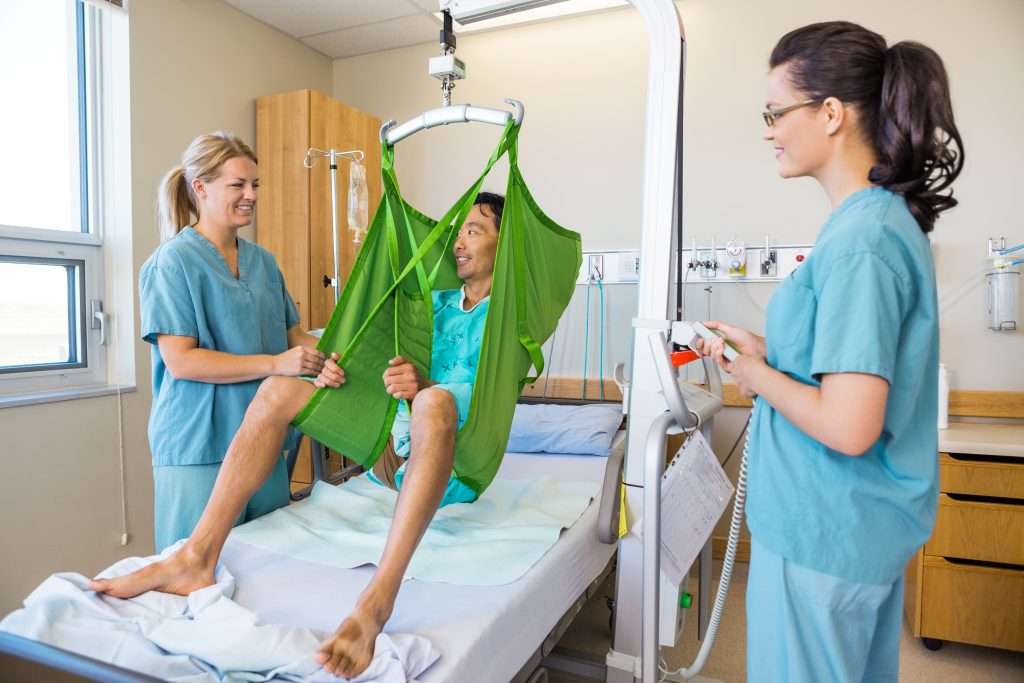
We used two primary kinds of patient lifts for our son: floor-based and ceiling-based. I also include a few others that we didn’t use.

This guide entry discusses all the issues with head drop, along with the equipment we bought or acquired and the equipment I made at home.
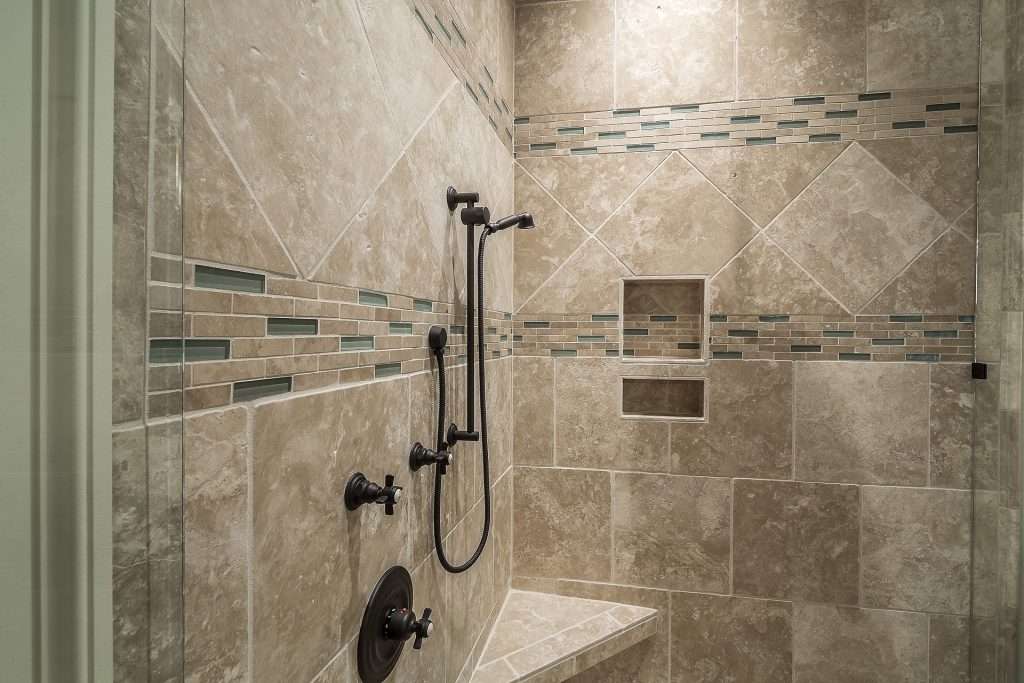
As our son’s condition worsened, we tried a number of shower chairs. Here are the pros and cons of several types.