Introduction
Our son, Jeremy, lived in New York City and loved all kinds of physical activities, like snowboarding, skiing, running, rock-climbing, and especially sailing. In the spring of 2017, he developed what he thought were painful shin splints and ended up using crutches because he kept falling.
No one could figure out what was wrong, so my wife and I took him to the Mayo Clinic in January 2018. That week, he received the diagnosis of ALS (amyotrophic lateral sclerosis). A death sentence. The usual cause of death is respiratory failure within two to five years after diagnosis.
Jeremy, a successful salesman for a number of big-name pharma companies, began losing the ability to speak, walk, go to the toilet, bathe, and dress himself, so he moved into our house in June 2018.
At the same time, I retired from the chemical industry after working 40 years, so I was able to be a full-time caregiver besides my wife, Jeremy’s girlfriend, and a home health aide.
He continued to worsen, and eventually his lungs stopped functioning. On October 29, 2021, hospice was initiated: the doctors switched to regular air and then they began heavy IV doses of morphine and he was gone in about an hour.
ALS Facebook group
During the almost four years that Jeremy lived with us, we learned a lot about caregiving. Our son bought numerous devices to make his life more comfortable. I built many devices in my woodshop to make his life (and ours) easier.
I also set up a tiny lab in my basement to extract the active ingredients from marijuana, then to mix them into a vegetable oil that Jeremy could take initially sublingually, and ultimately through his feeding tube.
I frequently posted many helpful topics and replies in the Facebook group “ALS—Patient and Caregiver tips for every day living” for the whole ALS community (for both patients and caregivers), covering firsthand experience with devices, services, treatments, and procedures.
I noticed that the members of the Facebook group kept asking the same questions over and over. I sensed that some people felt it was easier asking a question than searching for an answer. Facebook is not a search engine after all, so it’s difficult to find topics of interest.
Here are some of the many questions repeatedly posted in the Facebook group:
- What should we do after being diagnosed?
- What should we ask doctors and ALS clinics?
- How to find home health aides who know how to work with ALS patients?
- How to get information about ALS?
- How to get treatments?
- What clinical trials are open for enrollments?
- How to get equipment for the ALS patient?
- How to deal with falls?
- How to deal with saliva, mucus?
- How to deal with breathing problems?
- How to deal with communication problems?
- How to deal with constipation?
- How to deal with eating/drinking difficulties and feeding tube problems?
- How to select wheelchairs?
- Which shower chairs to choose?
- What features should be in an accessible bathroom?
- What should we look for when shopping for a handicapped van?
- What is voice banking, when should it be done, and is it worth it?
- Which treatments and remedies are non-scientific or unsafe or unapproved?
- How to deal with head drop?
- What are the insurance problems?
- What government assistance is there (Medicare, Medicaid)?
- What is palliative care?
- What is hospice care?
- What legal issues are there?
- How can we get help when we have no network of family, neighbors, or friends?
Struggling to get help
Judging from the posts, many people obviously have no professional support and use the Facebook group as their go-to source, while others seem to have been just dumped by their doctors after the initial diagnosis, which happens so often. Most doctors have no idea how to care for ALS patients. I’ve heard many complaints about rude, uncaring physicians. It’s extremely frustrating that the medical profession is reactive, not proactive, offering little in the way of information or guidance.
There is also a lot of misinformation in the posts. Many caregivers and patients post on various Facebook groups asking about treatments and remedies that have no scientific basis. Why isn’t there information to counsel against these fake treatments and remedies?
Our son spent around $70,000–$75,000 on stem cell clinics (including “treatments,” flights, hotels, food, travel), but there was no science there. These treatments didn’t work.
Jeremy also spent a lot of money on homeopathic infusions, but there’s no science behind them either. People continue to demand the Nurown treatment even though it was scientifically proven not to work.
Two caregivers I’ve been writing to on the Facebook group have no network of friends or relatives to help. I’m sure there are hundreds or thousands more people in the same predicament. They’re totally on their own. They struggle to go shopping, sleep, take a break, and care for their ALS patients.
The Practical Guide is born
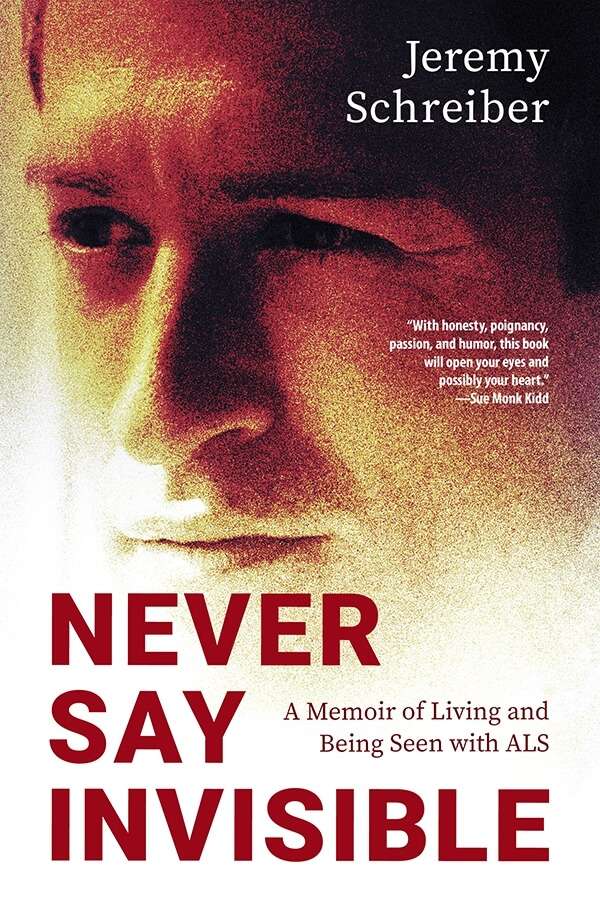
A few months after Jeremy’s passing, I returned to the Facebook group because I wanted to help all the other ALS victims and caregivers. Given the comments I received, I decided to collect all my posts in one place and launch this online guide. Sandra Jonas Publishing, which published our son’s memoir, Never Say Invisible, helped in the beginning with launching the site. Obviously, the period that the guide covers ends at Jeremy’s passing, but the information is still valuable, and I’ve included updates wherever possible.
ALS patients and caregivers suffer due to the lack of a go-to website with everything in one place. Unless you’ve joined them all, there’s no way you can get information or post information to everyone. And there are probably ALS patients and caregivers in other groups asking the same questions.
Other ALS guides are out there, written by ALS sufferers, but they lack in-depth critiques and reviews. It is insufficient to show a piece of equipment without discussing the pros and cons of it. In contrast, this guide critically discusses equipment and physical and medical treatments, as well as legal issues, to help ALS sufferers and caregivers be informed.
I’ve created this guide based on my experience as a parent and full-time caregiver to an ALS sufferer. This is my contribution to the ALS community. I hope that it offers some support and answers your questions.
Please note:
The “Practical Guide to ALS” is free to use.
You don’t have to sign up or register to use it.
There is no requirement for a user name or password.
There is no two-factor authentication required.
I don’t track your visits.
There are no cookies.
I don’t send you unsolicited emails.
There is no advertising.
No one is sponsoring my website.
There are no annoying pop-ups.
I’m paying for this website out of my own pocket and it’s for ALS sufferers and their caregivers.
I’ve written all the articles myself based on what we learned as our dear son suffered through ALS.
Please feel free to send this website’s link to others who may need information.